
Construction drift
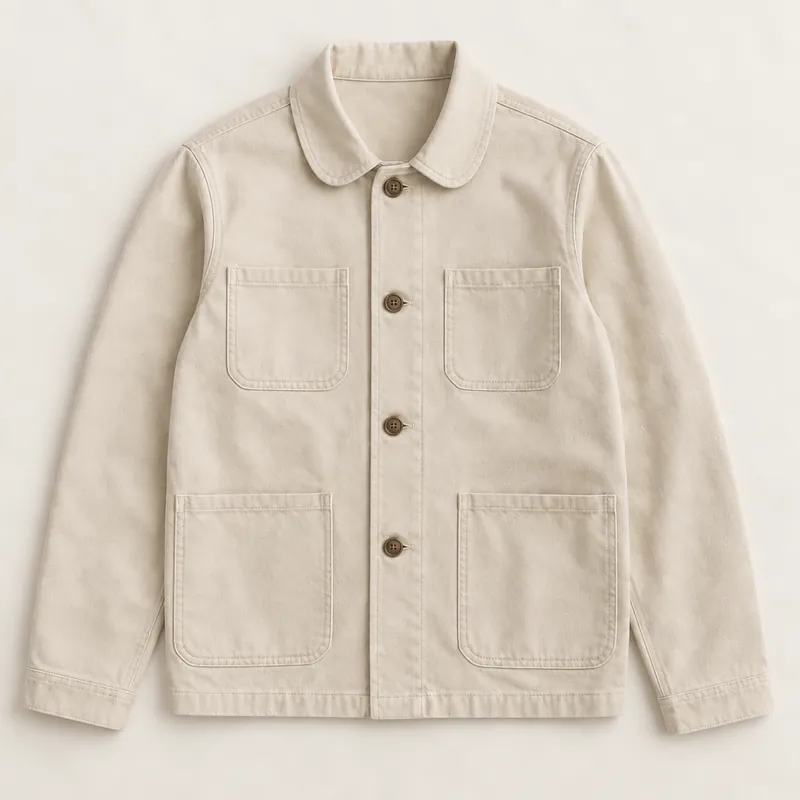
Construction drift means a generated image changes a garment’s structure, such as pockets, buttons, seams, collars or closures.
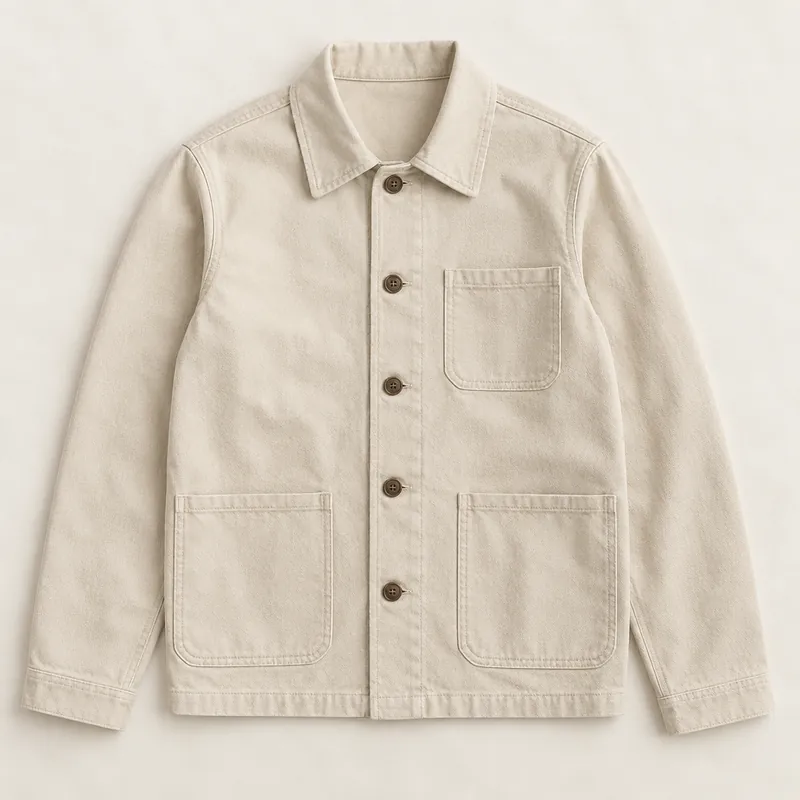
What changes
- Pockets: added, removed, or changed from patch to welt.
- Fastenings: the number of buttons, a zip in place of a placket, a closure on the wrong side.
- Collars and cuffs: shape, size and construction.
- Seams and panels: yokes, darts and panel lines moved or dropped.
- Length and proportions: sleeves, hems and rise that change against the reference.
How to catch it in review
Count. Buttons, pockets, belt loops and panels are countable, and counting against the packshot catches most construction drift in seconds. Then check the collar and the hem against the reference at full size. For outerwear, check the open and the closed view separately.
How to prevent it
- Include a back view and detail views in the references, so the generator does not have to guess.
- Keep poses that show the construction: an arm across the body hides pockets and plackets.
- Review structurally complex categories, such as outerwear, tailoring and workwear, with a checklist per product.
Part of garment fidelity. See also product references.